
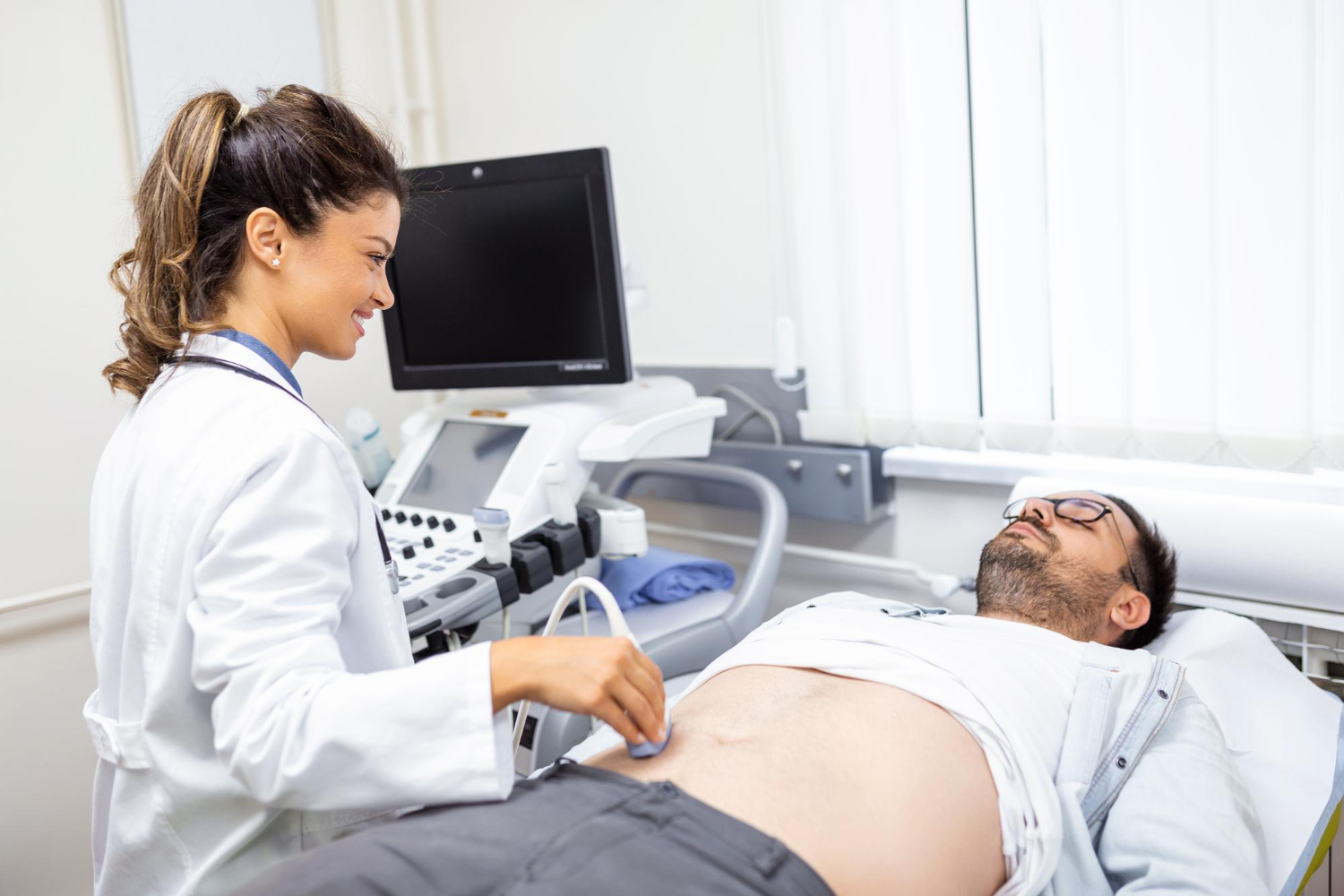
EchoLaser-TPLA is primarily used to treat urinary symptoms associated with benign prostatic hyperplasia (BPH). An enlarged prostate can press against the urethra, causing symptoms such as a weak urine stream, difficulty starting urination, frequent bathroom visits, nighttime urination, and incomplete bladder emptying.
The treatment uses focused laser energy to heat and ablate targeted prostate tissue, helping reduce the obstruction affecting urine flow. A urologist evaluates the patient’s symptoms and prostate anatomy to determine whether this approach is an appropriate treatment option.
One potential benefit of EchoLaser-TPLA is that it treats prostate obstruction through a minimally invasive approach without requiring traditional surgical removal of tissue. Ultrasound guidance helps the physician target the intended treatment areas while limiting unnecessary treatment of surrounding structures.
Depending on the patient’s condition, the procedure may help improve urinary flow and reduce symptoms associated with an enlarged prostate. Recovery experiences and treatment outcomes vary, and patients should discuss the expected benefits and potential alternatives with their urologist.
Recovery varies depending on prostate size, the extent of treatment, and the patient’s overall health. Some patients may experience temporary urinary urgency, burning during urination, increased frequency, or blood in the urine while the treated tissue heals. A temporary catheter may be needed if swelling or urinary retention affects bladder emptying.
Urinary symptoms may improve gradually over the following weeks or months as the body responds to treatment. Patients should follow their urologist’s instructions, attend scheduled follow-up visits, and seek medical advice if they experience fever, severe pain, heavy bleeding, or an inability to urinate.